If you own a home in Mitchell, you already know the weather does not stay gentle for long. Between long winters, spring thaw, summer storm risk, and an early return to frost in fall, small maintenance tasks can turn into bigger repairs if they get pushed off. The good news is that a simple seasonal plan can help you protect your home, manage upkeep with less stress, and even support future resale value. Let’s dive in.
Why seasonal home care matters in Mitchell
Mitchell’s climate puts real pressure on a home over the course of a year. Climate data for Mitchell Municipal Airport shows average highs around 28.8°F in January and 30.6°F in February, then a jump to 82.1°F in June and 87.4°F in July, with about 21.14 inches of annual precipitation.
That wide swing means your home has to handle freezing temperatures, thaw cycles, summer heat, and strong seasonal storms. It also means your best window for many outdoor projects is fairly short, especially when frost risk can linger into late May and return in early October.
Winter home care tips
Seal drafts before deep cold
One of the smartest fall and winter tasks is tightening up your home’s exterior shell. SDSU Extension recommends weatherstripping around doors and windows, caulking stationary gaps, and using outlet protectors to help reduce drafts and heat loss.
These are not flashy projects, but they can make a real difference in comfort and monthly utility costs. They also help you stay ahead of wear that may become more noticeable during a future home inspection.
Check your furnace and fireplace
Your heating system works hard during a South Dakota winter, so routine care matters. SDSU Extension recommends changing furnace filters monthly during the heating season and servicing the furnace periodically.
If you use a fireplace, schedule an annual inspection before the first fire of the season. Animal nests and creosote buildup can create safety issues and lead to bigger problems if ignored.
Inspect attic insulation
SDSU Extension notes that a major share of heat loss typically happens through attic openings. That makes winterization a good time to check insulation levels and look for spots where warm air may be escaping.
A quick attic check can support comfort, energy efficiency, and long-term durability. It can also help reduce ice, moisture, and temperature-related stress on your home.
Store outdoor equipment early
Before snow arrives, put away outdoor furniture and grills and make sure your snow blower is ready. These simple steps protect your belongings and make the first winter storm easier to handle.
This kind of seasonal prep also helps your property stay tidier through the colder months. If you plan to sell in the next year or two, that habit of consistent upkeep can pay off later.
Early spring maintenance after snow melt
Walk the property top to bottom
Once the snow melts, give your property a careful walk-around. SDSU Extension recommends checking the lawn, landscape, and hardscape items like fences, sheds, benches, stepping stones, and trellises.
Winter can leave behind loose boards, shifted materials, and minor damage that is easier to fix early. A spring inspection helps you catch those issues before they grow into more expensive repairs.
Clear yard and garden debris
Spring is also a good time to remove dried stems, fallen leaves, and other debris from planting beds. Cleaning things up helps your yard recover from winter and sets you up for a better-looking property during the growing season.
If curb appeal matters to you, this is one of the simplest ways to improve first impressions. Even if you are not selling soon, a clean exterior helps your home feel cared for.
Check drainage around the foundation
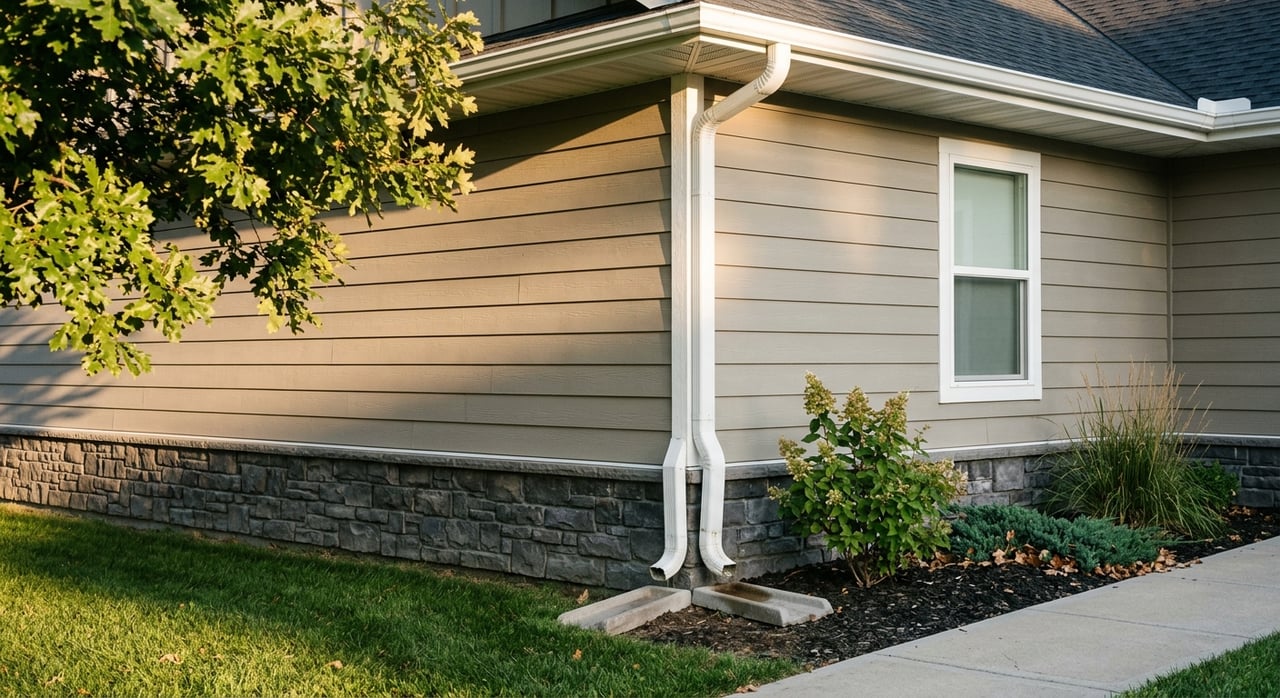
Spring thaw is the right time to pay close attention to water flow. SDSU Extension recommends checking gutters, extending downspouts away from the foundation, and making sure roof runoff is not draining back toward the house.
Poor drainage can saturate soil around the foundation and contribute to moisture problems over time. If your home has a basement or crawl space, this is one of the most important spring checkpoints.
Test the sump pump
If you have a sump pump, confirm that it is working properly before heavy spring rain arrives. Water issues are easier to prevent than clean up.
A quick test now can give you peace of mind later. It is a small task that protects one of the most vulnerable parts of the home.
Late spring and summer projects
Use the warm season wisely
In Mitchell, timing matters. SDSU frost data for the nearby Mitchell 2 N station shows a conservative 90th-percentile last 36°F spring frost around May 27, with the first 36°F fall frost around October 4.
That gives you a relatively narrow but useful window for exterior work. Late spring through summer is a smart time for mowing, trimming, mulch refreshes, small repairs, and paint or caulk touchups.
Maintain cooling equipment
During cooling season, routine AC care can help your system run more efficiently. The U.S. Department of Energy recommends cleaning or replacing air-conditioning filters every month or two, keeping the outdoor condenser area clear, and trimming foliage back at least two feet for airflow.
If you use a room air conditioner, check the seal around the unit at the start of the season. These maintenance steps can help reduce wear and keep cooling costs more manageable.
Inspect after storms
Summer in southeast South Dakota can bring severe weather. National Weather Service guidance notes that severe thunderstorms can produce hail at least 1 inch in diameter or wind gusts over 58 mph, and regional event summaries repeatedly document hail, damaging winds, tornadoes, and heavy rain.
After a major storm, walk the exterior and look for missing shingles, dented gutters, loose siding, broken trim, damaged windows, and fallen branches. Quick follow-up helps you spot damage before it turns into leaks or moisture issues.
Focus on resale-friendly upkeep
Some maintenance items do double duty because they help you now and support future sale prep later. In summer, the most valuable projects are usually roof and gutter care, drainage correction, HVAC upkeep, and landscape cleanup.
These are the kinds of details that help a home feel well cared for. They can also reduce the chance of unwelcome surprises once a buyer starts looking closely.
Fall home care before the first freeze
Start in late September
For Mitchell homeowners, late September is a practical time to begin fall maintenance. That timing lines up with local frost guidance showing the conservative 90th-percentile 36°F fall frost by October 4 and the 32°F threshold by October 15.
Starting early gives you a better shot at finishing outdoor work before weather conditions tighten up. It also helps you avoid scrambling once colder temperatures arrive.
Clean gutters and rooflines
Leaves and debris can hold moisture and interfere with proper drainage. In fall, clear gutters and roof edges so melting snow and rain can move away from the house as intended.
This is one of the simplest ways to protect siding, foundations, and landscaping. It is also one of the first maintenance items buyers tend to notice when evaluating overall home care.
Re-check caulk and weatherstripping
Fall is a smart time to revisit the same draft-prone areas you checked the year before. Look around windows and doors for worn weatherstripping or visible gaps that need fresh caulk.
A tight seal helps reduce drafts and improves comfort during the heating season. It is also a practical way to help your home age better over time.
Winterize cooling equipment
At the end of cooling season, take time to prepare AC equipment for winter. The Department of Energy recommends covering or removing room air conditioners and protecting central outdoor units from winter weather and debris.
If you have a heat pump, do not cover the outdoor condensing unit. This final cleanup step helps protect equipment through snow, ice, and off-season exposure.
A simple Mitchell seasonal checklist
Winter and early spring priorities
- Weatherstrip doors and windows
- Caulk stationary gaps
- Change furnace filters monthly during heating season
- Inspect the fireplace before first use
- Check attic insulation
- Store grills and outdoor furniture
- Inspect the lawn, beds, fences, and sheds after snow melt
- Test the sump pump
- Check gutters and downspouts for proper drainage
Late spring and summer priorities
- Wait until late May for more frost-sensitive exterior touchups and planting
- Mow, trim, and refresh mulch
- Replace or clean AC filters every month or two during cooling season
- Keep the outdoor condenser area clear
- Inspect the property after hail, wind, or heavy rain
- Look for roof, siding, gutter, and window damage
Fall priorities
- Start maintenance in late September
- Clean leaves from gutters and rooflines
- Re-check weatherstripping and caulk
- Make sure downspouts direct water away from the foundation
- Service heating equipment as needed
- Winterize room AC units and protect central cooling equipment
- Move outdoor items to storage before freeze risk increases
Consistent upkeep helps long-term value
Seasonal maintenance is not just about avoiding repairs. It is also about keeping your home comfortable, functional, and easier to manage year after year.
If you ever decide to sell, buyers often respond well to homes that look cared for from the start. Staying ahead of drainage, weather sealing, HVAC upkeep, and exterior wear can make your next move feel a lot smoother.
If you want practical guidance on preparing your Mitchell home for the market, getting a local home value estimate, or planning your next move with less stress, reach out to Chris Foster.
FAQs
When should Mitchell homeowners start fall home maintenance?
- A practical time to start is late September, since conservative local frost guidance shows 36°F risk by October 4 and 32°F risk by October 15.
What should Mitchell homeowners check after a hail or wind storm?
- Walk the property and look for missing shingles, dented gutters, loose siding, broken branches, damaged windows, and any signs of water entry.
What home maintenance tasks matter most for future resale in Mitchell?
- The most important items are usually roof condition, gutters and drainage, window and door sealing, heating and cooling upkeep, and basic landscape cleanup.
Why is spring drainage inspection important for Mitchell homes?
- Snow melt and spring rain can send water back toward the foundation, so checking gutters, downspouts, and sump pump function helps reduce moisture risk.
When is the best time for exterior touchups in Mitchell?
- Late spring through summer is typically the best window, since frost risk can linger into late May and return again in early October.