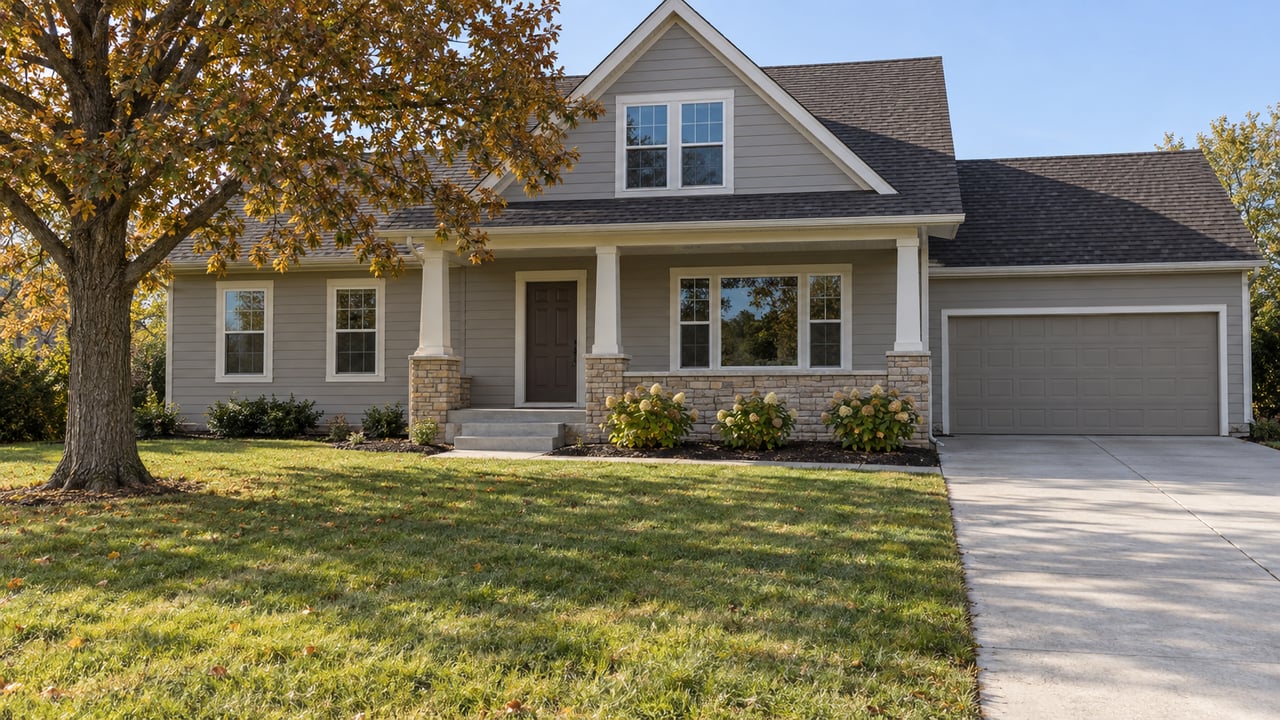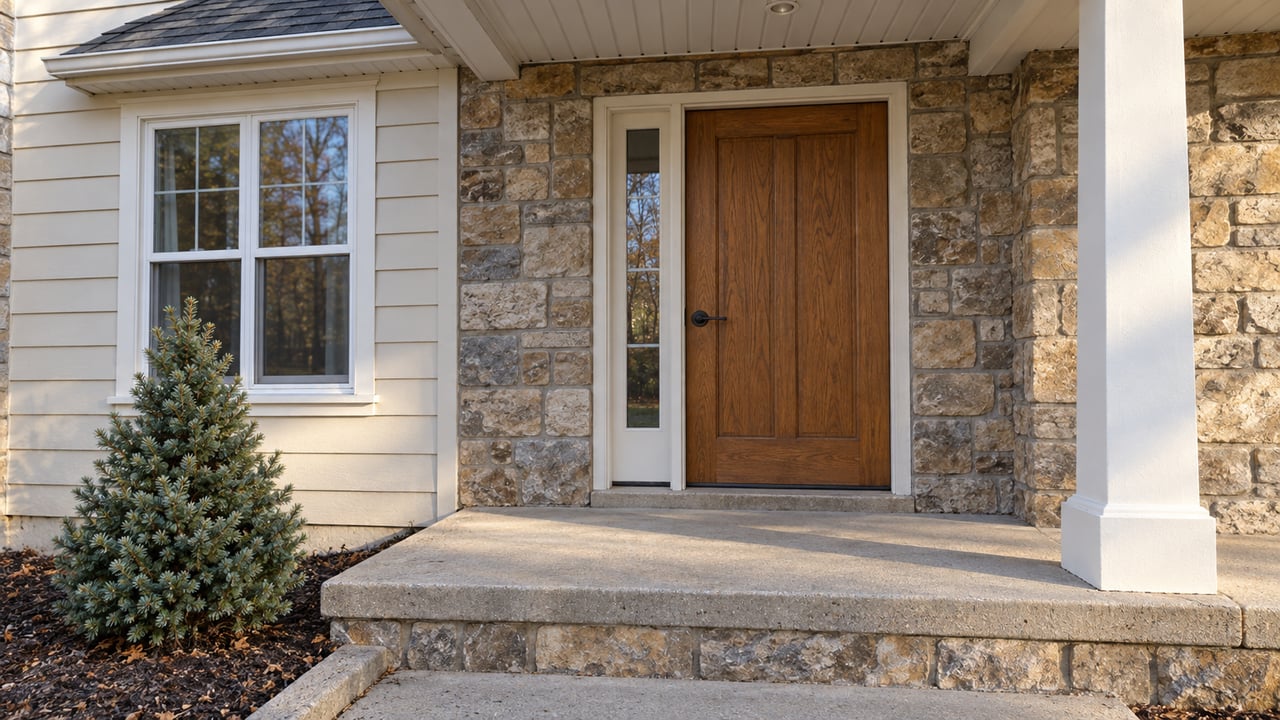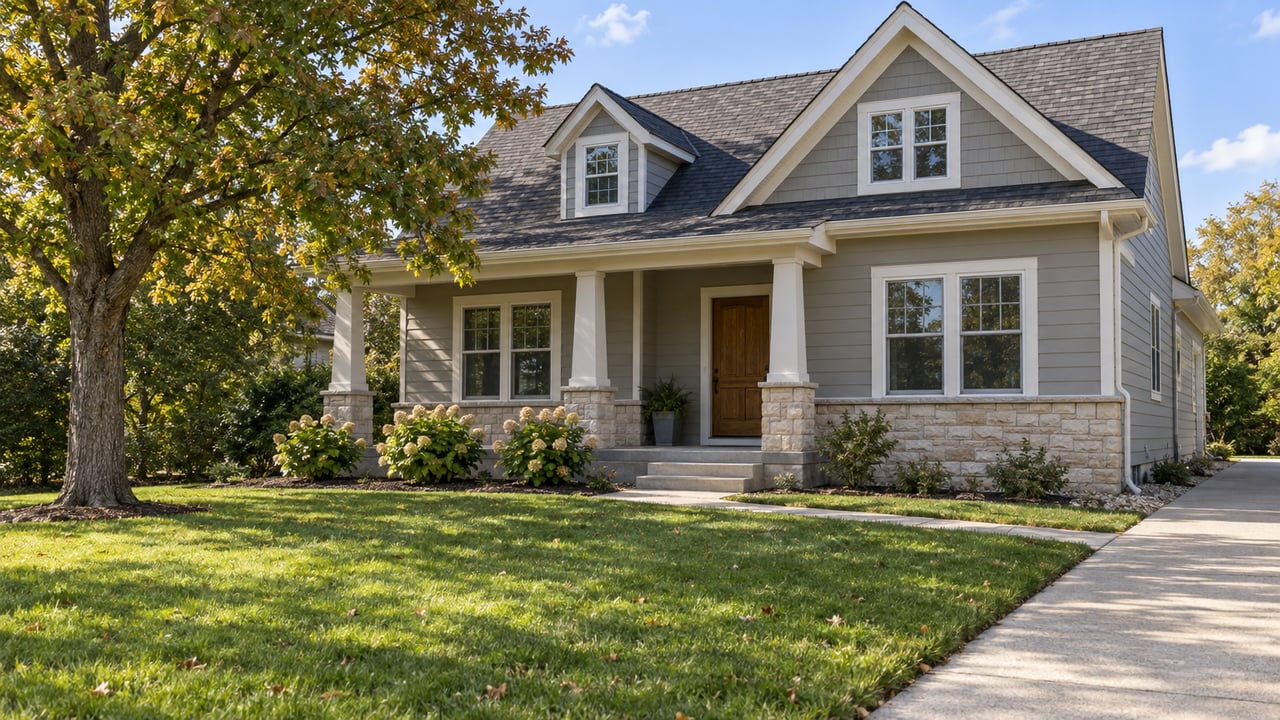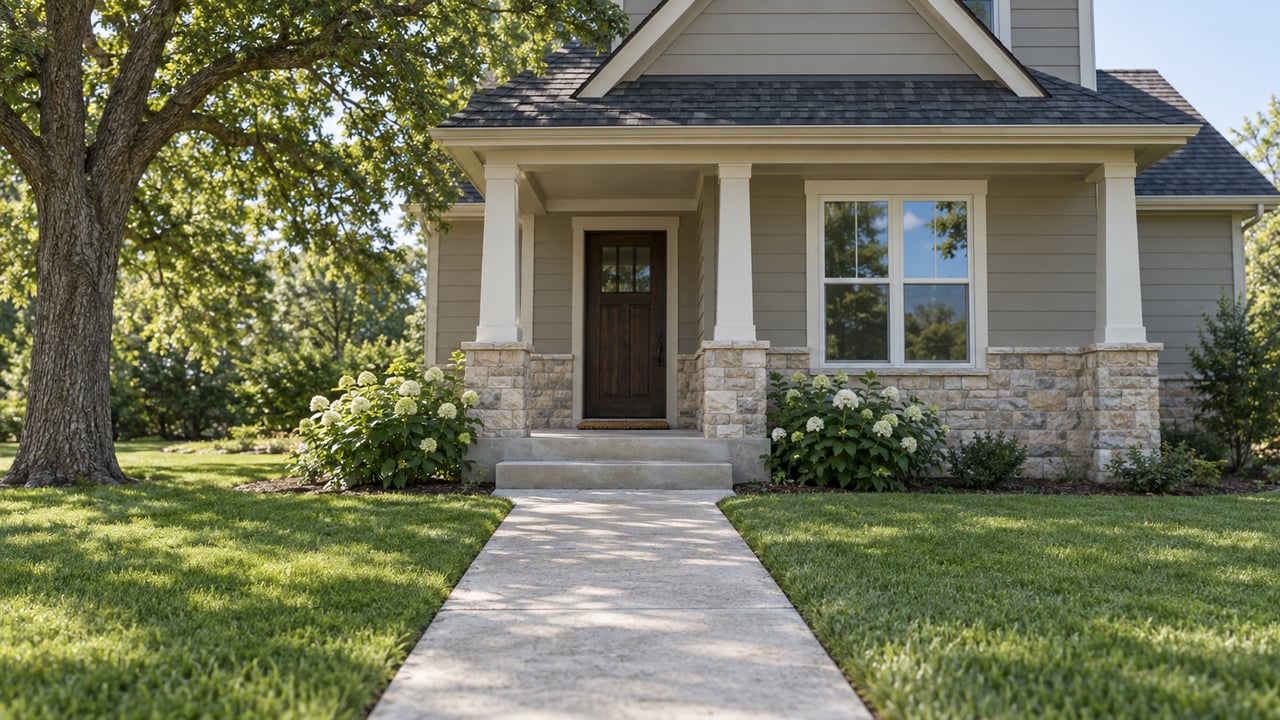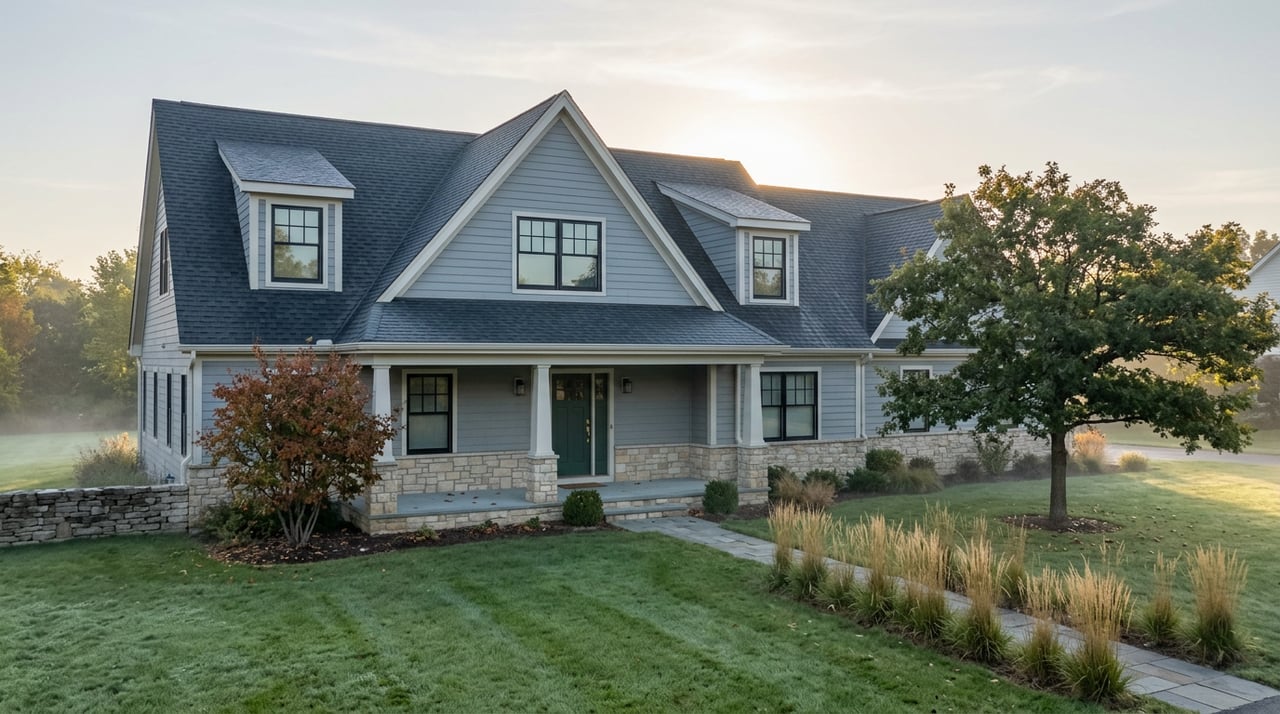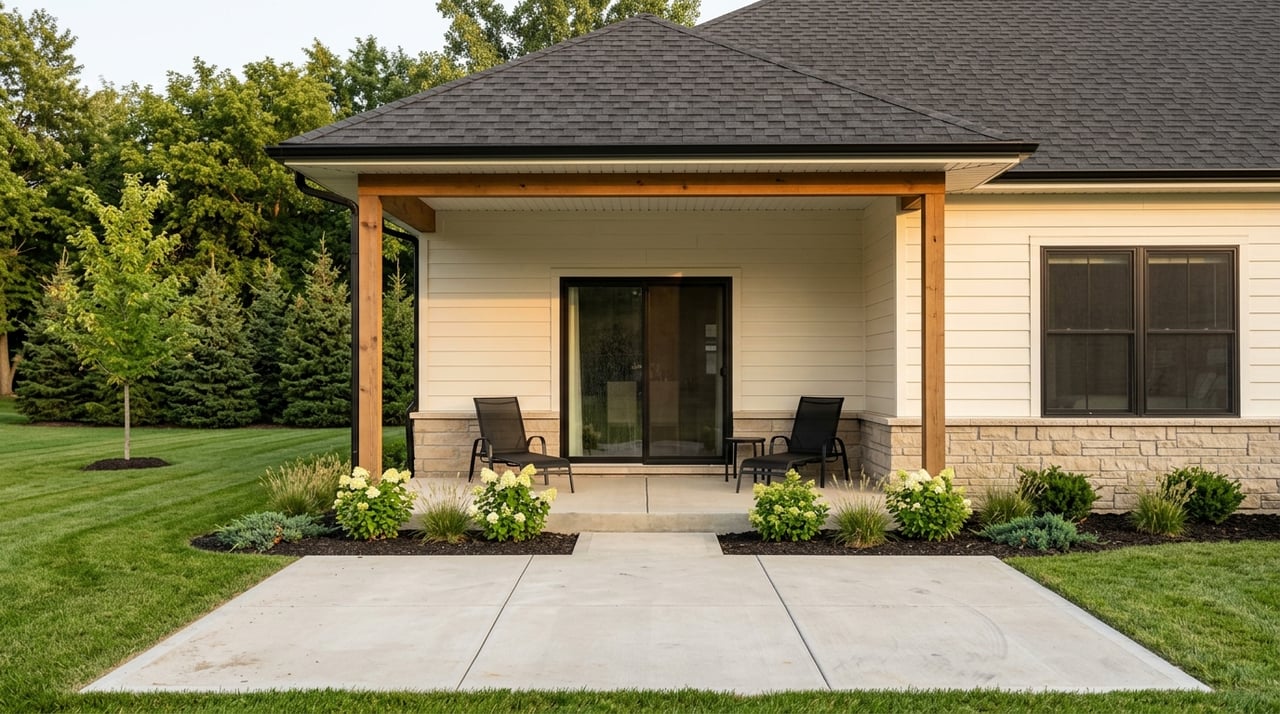
If you’re thinking about buying a brand-new home in Hartford, you’re not imagining the momentum. This small but growing city has an active pipeline of new housing, multiple open subdivisions, and room for future residential growth. If you want a clearer picture of where new homes are being built, what features to expect, and what to watch for before you sign, this guide will help you move forward with confidence. Let’s dive in.
Why Hartford New Construction Stands Out
Hartford is still a smaller community, but it is growing in a real and measurable way. The latest Census profile shows 3,354 residents and 1,399 housing units, and Hartford’s 2023 housing study projected the need for 226 more rental units and 386 more owner-occupied units by 2033.
That matters if you are comparing Hartford with nearby towns. New construction here is not just occasional infill on a random lot. The city’s long-range planning also notes that vacant land remains available in both the north and south parts of town, which supports continued residential growth.
Where New Homes Are Being Built
One of the biggest advantages for buyers in Hartford is that you are not limited to a single new-home area. The Hartford Area Development Foundation lists six open subdivisions, which gives you more flexibility on lot type, location, and building style.
Those open subdivisions are:
- Turtle Creek Highlands
- Knapp’s Landing
- Western Meadows
- South Main Addition
- Jarding Development
- Cresswood Estates
This variety is helpful if you are trying to match a home purchase to your budget, layout preferences, or long-term plans. Some buyers want a custom-home setting, while others prefer a simpler build path in an established subdivision.
Turtle Creek Highlands
Turtle Creek Highlands is presented as a custom-home community with options for walkout, garden-level, villa, and twin-home lots. Buyers can bring their own builder or ask the development for a builder connection, which creates more room for personalization.
Representative lot examples in Turtle Creek include about 0.23 acres, 0.28 acres, 0.32 acres, and around 10,005 square feet. The development also notes that lots are ready for construction and that the neighborhood is within walking distance of schools, parks, and restaurants.
Knapp’s Landing
Knapp’s Landing sits north of town near the Central Valley GreatLIFE Golf Club. Its first phase opened in 2019, and the development includes lots for both single-family and twin homes.
Recent examples show lots around 5,628 square feet and 10,542 square feet. That range suggests buyers may find different options depending on the section or phase they are considering.
Western Meadows and South Main Addition
Western Meadows is described as fully developed, with city water and sewer, curb and gutter, asphalt streets, street lights, and gas and electric available to each lot. That kind of infrastructure can be appealing if you want a more straightforward building process.
South Main Addition has been marketed as a fit for people starting out or downsizing. Recent examples there include lots around 8,968 square feet, 10,396 square feet, and one with a 70 by 148.5 footprint.
Jarding Development and Cresswood Estates
Jarding Development and Cresswood Estates add even more depth to Hartford’s new-construction picture. Jarding Development is described as filling fast, while Cresswood Estates features single-family residential lots with convenient interstate access.
Even without as many published details, both developments reinforce the same takeaway. Hartford’s new-home supply is spread across several active areas, not concentrated in just one neighborhood.
What Lot Sizes Look Like
Across Hartford’s newer and recently active subdivisions, sample lot sizes appear to range from about 5,600 square feet on the smaller end to a little over 10,800 square feet, with some Turtle Creek lots reaching roughly 0.23 to 0.32 acres. That is not an official citywide average, but it does give you a useful working range.
For you as a buyer, lot size affects more than the yard. It can shape your home footprint, garage placement, basement style, outdoor living options, and even what builders or floor plans make sense on the site.
Common Features in Hartford New Builds
If you have been browsing newer homes in Hartford, you have probably noticed some repeating features. Recent new or near-new examples commonly include 3-car garages, 3- to 4-bedroom layouts, open kitchen and living spaces, basement finish potential, walkout lots, and ranch or split-foyer designs.
That mix tends to work well for a wide range of buyers. Whether you want more storage, easier entertaining, room to grow, or a layout that supports one-level living with extra space downstairs, newer homes in Hartford often check those boxes.
Features You May See Often
- 3-car garages for vehicles, storage, or hobby space
- Open main living areas that connect kitchen, dining, and living rooms
- 3 to 4 bedrooms for flexible household needs
- Walkout or garden-level lots in some subdivisions
- Unfinished basement space with room to expand later
- Ranch and split-foyer plans that remain common in the market
New Construction vs Older Hartford Homes
Hartford is not a market made up only of newer subdivisions. The city also has a meaningful stock of older homes, and that creates a true side-by-side comparison for buyers.
The comprehensive plan reported that 27% of city housing units were built in 1939 or earlier. Another 17.1% were built in the 1950s, and 13% were built in the 1960s.
That older inventory can offer character, mature lots, and established locations. New construction, on the other hand, may give you a more modern floor plan, newer materials and systems, and fewer immediate update projects.
How to Think About the Tradeoff
If you are deciding between a newer home and an older one in Hartford, think about your daily priorities more than the year built alone. A newer home may fit you better if you want open spaces, a larger attached garage, and modern layout choices.
An older home may be worth a closer look if you care most about a mature setting, an existing neighborhood feel, or a different architectural style. Neither option is automatically better. The right fit depends on how you want to live and what level of updates you are comfortable taking on.
Custom Building in Hartford
Customization is a major part of Hartford’s new-build story. Turtle Creek allows different lot types and lets buyers bring their own builder, and Western Meadows also invites buyers to bring their own builder. Knapp’s Landing includes both single-family and twin-home lots, which expands the range of possible home types.
That flexibility can be a big plus if you already have a builder relationship or a floor plan in mind. It can also help if you want to compare neighborhoods before locking yourself into one development model.
Covenants and HOA Rules Matter
One of the most important things to understand about new construction in Hartford is that rules are not the same from one subdivision to the next. You should not assume every development has the same HOA structure, design standards, or use restrictions.
For example, Turtle Creek’s recorded covenants set standards for owner-occupied single-family use except on certain twin-home lots. They also include minimum finished living-area standards, an attached 3-stall garage requirement for single-family homes, restrictions against modular, manufactured, or factory-built homes, restrictions on vinyl siding, a minimum 6/12 roof pitch, and a requirement to complete construction within 10 months of starting.
Other developments may have their own covenants, while some properties may not have an HOA at all. A recent South Main listing specifically stated no HOA, which is a good reminder to review the recorded documents for the exact subdivision you are considering.
Questions to Ask Before You Buy a Lot
- Are there recorded covenants for this subdivision?
- Is there an HOA or owners association?
- Are assessments required now or later?
- What home styles or materials are allowed?
- Can you bring your own builder?
- Are there garage, siding, roof-pitch, or completion rules?
- Are twin homes allowed, or only single-family homes?
Permits, Hookups, and Build Basics
If you plan to build in Hartford, permits are a practical part of the process. The city says a building permit is required for most projects, and it warns that starting work without a permit can lead to a double permit fee and possible fines.
For new construction, Hartford’s building-permit page also lists a $750 water hookup fee and a $750 sewer hookup fee. Water meters are charged separately, so that is another item to confirm early when you are building your budget.
If you are looking at raw land or property outside city limits, the process may change. Minnehaha County says plats are required for property 10 acres or less, and a preliminary subdivision plan is required for four or more parcels or a new street. The county notes that this process can take about two months depending on when materials are submitted.
What About Warranties?
Buyers sometimes assume there is one standard residential warranty that applies to every new home in town. Hartford’s planning materials do reference city engineering design standards that include a Section 500 Warranty of Construction, but the city does not appear to publish one universal residential home warranty for all homes.
The practical takeaway is simple. You should review the builder’s written warranty carefully and verify what it covers for workmanship, systems, and structural components before you move forward.
Is New Construction in Hartford Right for You?
If you want modern layouts, newer infrastructure, and the chance to personalize parts of the home-buying process, Hartford deserves a close look. The city has multiple active subdivisions, a range of lot sizes, and ongoing housing demand that supports continued new-home activity.
At the same time, the details matter. The right subdivision, lot, builder, and covenant package can shape your experience just as much as the house itself.
If you want help sorting through Hartford’s new construction options, comparing them with existing homes, or figuring out which path fits your budget and goals, Chris Foster offers honest, low-pressure guidance to help you make a confident move.
FAQs
What makes Hartford, SD a strong place to consider new construction?
- Hartford has active residential growth, six open subdivisions listed by the local development foundation, and projected need for more owner-occupied housing through 2033.
What subdivisions currently offer new-home opportunities in Hartford?
- Current open subdivisions listed locally include Turtle Creek Highlands, Knapp’s Landing, Western Meadows, South Main Addition, Jarding Development, and Cresswood Estates.
What lot sizes can you expect in Hartford new subdivisions?
- Sample lot sizes in newer and recently active subdivisions appear to range from about 5,600 square feet to a little over 10,800 square feet, with some Turtle Creek lots around 0.23 to 0.32 acres.
What home features are common in Hartford new construction?
- Common features in recent new or near-new Hartford homes include 3-car garages, 3- to 4-bedroom layouts, open living spaces, walkout lots, basement-finish potential, and ranch or split-foyer designs.
What should you review before buying a lot in a Hartford subdivision?
- You should review the specific subdivision’s recorded covenants, builder rules, possible association requirements, allowed materials, home-type restrictions, and any timelines for construction completion.
What permits and utility hookup costs apply to new construction in Hartford?
- Hartford requires building permits for most projects, lists a $750 water hookup fee and a $750 sewer hookup fee for new construction, and charges separately for water meters.